
As I stood in my kitchen, the scent of basil and garlic wafted through the air, immediately lifting my spirits. Pesto Eggs are my go-to quick breakfast when my mornings demand something beyond the ordinary. Imagine sunny-side-up eggs sizzling in a vibrant pool of pesto, kissed with the creamy tang of goat cheese and served on warm, crusty sourdough. This dish is not only incredibly easy to prepare, but it also transforms a simple meal into a soulful dining experience that can impress at brunch or even on a busy weekday. Plus, it offers a lovely option for those looking to enjoy a dairy-free version by swapping in creamy avocado. Curious how to make your mornings a little more exciting? Let’s dive into the recipe!
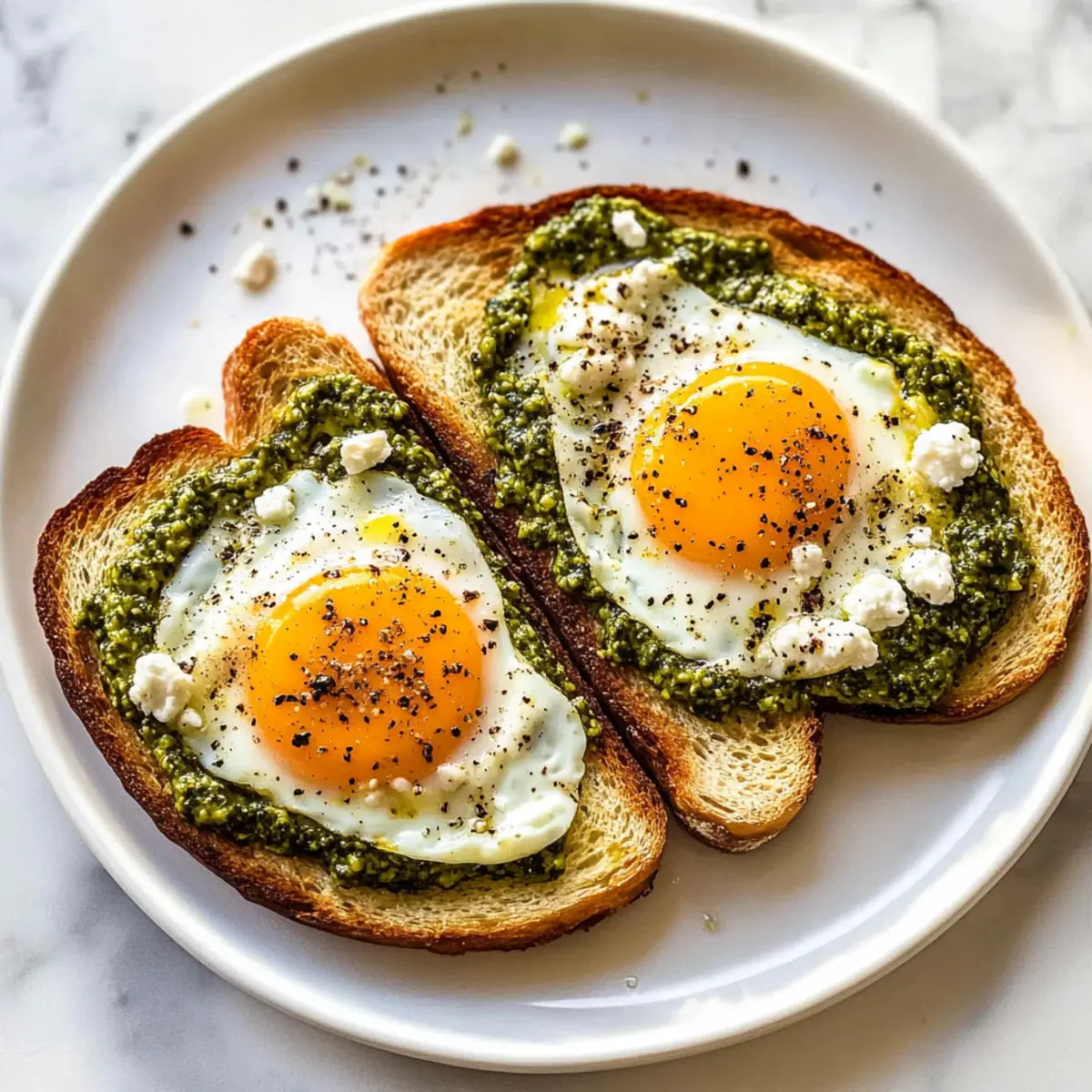
Why Are Pesto Eggs So Irresistible?
Simplicity at Its Best: These pesto eggs come together in minutes, making them the perfect quick breakfast.
Vibrant Flavors: The aromatic blend of garlic and basil in the pesto elevates everyday eggs to a gourmet dish.
Creamy Goodness: With the addition of tangy goat cheese, each bite is a delightful balance of flavors.
Versatile Base: Serve them on crusty sourdough or switch it up with hearty bread. It’s a meal you can tailor to your taste, whether breakfast or brunch!
Dairy-Free Option: Looking to keep it light? Swap goat cheese for creamy avocado for a delicious dairy-free alternative.
Crowd-Pleasing Dish: Impress family and friends with this beautiful meal that’s both satisfying and visually stunning, reminiscent of a café brunch!
Pesto Eggs Ingredients
• For the Base
- Pesto – The primary flavor base; using homemade pesto offers a fresh touch.
- Eggs – Provides protein and structure; opt for large eggs for the best results.
- Sourdough Bread – Serves as a hearty foundation; any substantial bread works beautifully.
• For the Seasoning
- Kosher Salt – Enhances overall flavor; feel free to substitute with regular salt.
- Ground Black Pepper – Adds a hint of spice; freshly cracked is recommended for stronger flavor.
- Red Pepper Flakes – Introduces a touch of heat; you may omit for a milder taste or switch with paprika.
• For the Topping
- Goat Cheese – Adds creamy, tangy goodness; for a dairy-free option, try mashed avocado.
Each of these ingredients contributes to the deliciousness of the Pesto Eggs, making them a delightful start to your day!
Step‑by‑Step Instructions for Pesto Eggs
Step 1: Prepare the Cooking Surface
Begin by heating a medium non-stick frying pan over medium heat. Once the pan is warm, add a generous layer of fresh pesto, swirling it to create an even coating on the bottom. This aromatic base enhances the flavor of your Pesto Eggs right from the start.
Step 2: Crack the Eggs
After the pesto begins to sizzle slightly, gently crack in two large eggs, being careful not to break the yolks. Season the eggs with kosher salt, freshly ground black pepper, and a pinch of red pepper flakes for added heat. The vibrant colors should contrast beautifully against the green pesto.
Step 3: Cook the Eggs
Let the eggs cook undisturbed for 4-5 minutes, or until the whites are fully set and no longer translucent. As they cook, you’ll notice the edges start to crisp, and the yolks remain delightfully runny. Keep an eye on them to achieve your desired doneness while the delicious smells surround your kitchen.
Step 4: Toast the Bread
While the Pesto Eggs are finishing up, take this time to toast your sourdough bread until golden brown and crispy. Once toasted, spread a thick layer of creamy goat cheese over the surface. This step adds a rich, tangy complement to the bright flavors of the eggs and pesto.
Step 5: Assemble and Serve
Carefully remove the cooked Pesto Eggs from the pan, gently placing them atop the prepared toast. The colorful presentation of the eggs against the creamy goat cheese and crusty bread makes for an irresistible breakfast. Serve immediately to savor the delightful blend of textures and flavors at their peak!
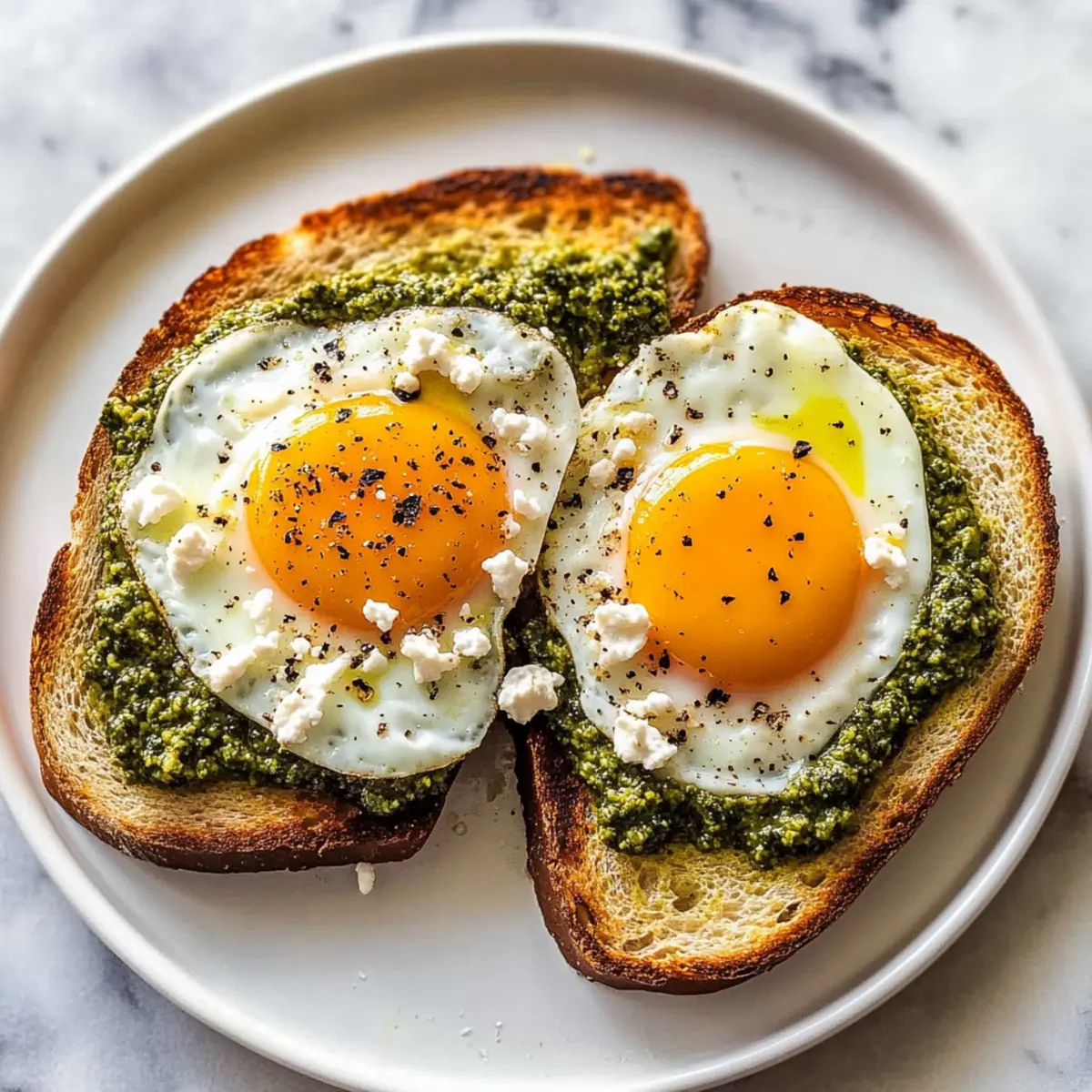
How to Store and Freeze Pesto Eggs
Fridge: Store cooked pesto eggs in an airtight container for up to 3 days. To maintain texture, cover them with a damp paper towel before sealing.
Freezer: It’s best to avoid freezing cooked eggs, as their texture may deteriorate. However, you can freeze extra pesto separately for future use.
Reheating: Gently reheat the pesto eggs in a non-stick pan over low heat to preserve their creaminess and flavor, adding a bit of fresh pesto if desired.
Make-Ahead Note: If you’re planning ahead, consider prepping all ingredients but cooking the eggs fresh when you’re ready to serve. This way, you can enjoy the delightful experience of freshly made pesto eggs!
Pesto Eggs: Fun Variations to Try
Embrace your culinary creativity and make these pesto eggs even more delightful with some easy twists!
-
Dairy-Free Delight: Swap goat cheese for creamy mashed avocado for a luscious, dairy-free option. The avocado gives a similar texture and a fresh flavor boost.
-
Vegetable Boost: Add a handful of fresh spinach or sautéed cherry tomatoes atop the eggs before serving. This not only adds nutrition but also keeps everything vibrant and colorful.
-
Flavor Punch: Drizzle some chili oil over the finished dish for a spicy kick or try chimichurri for an exciting flavor twist. Each sauce offers its unique take on these classic flavors.
-
Baked Variation: Instead of frying, consider baking the eggs in a ramekin with pesto and cheese. This method gives a fluffy texture and allows for richer flavors to meld together.
-
Herb Fusion: Toss in some fresh herbs like basil or parsley just before serving for a fresh, aromatic finish. This will elevate your dish with a burst of garden goodness.
-
Whole Grain Switch: Try using whole grain or gluten-free bread instead of sourdough. It adds extra nutrients and pairs beautifully with the rich flavors of pesto and eggs.
-
Savory Crunch: For added texture, top your toast with some toasted pine nuts or walnuts just before serving. They provide a delightful crunch and nutty flavor that complements the dish beautifully.
-
Heat Adjustments: Feel free to omit red pepper flakes if you prefer a milder taste, or use jalapeños for a bolder heat. Adjust the spice to suit your palate for a truly personalized dish.
You can easily explore the variation possibilities like the ones in Pesto Chicken Flatbread or give the kids a treat with Pesto Sauce Pasta. Whatever direction you choose, these pesto eggs can always shine a bit brighter!
What to Serve with Pesto Eggs
Elevate your breakfast experience by pairing your vibrant pesto eggs with complementary dishes that enhance their bold flavors.
-
Crispy Hash Browns: The golden crunch provides a delightful contrast to the creamy eggs, making every bite satisfying.
-
Fresh Arugula Salad: Add a peppery green salad with lemon vinaigrette to balance the richness of the dish. It refreshes the palate wonderfully.
-
Roasted Cherry Tomatoes: Bursting with flavor, roasted tomatoes bring a sweet, tangy burst that contrasts beautifully with the savory pesto and eggs.
-
Sliced Avocado: Creamy avocado adds a silky texture and healthy fats, enhancing the overall deliciousness while keeping it light.
-
Buttery Croissants: Flaky, buttery croissants create a luxurious brunch feel, ideal for a leisurely morning with friends or family.
-
Sparkling Water with Lime: This refreshing drink complements the dish without overshadowing its flavors. The fizz and acidity brighten each bite.
-
Chilled Fruit Salad: A medley of seasonal fruits offers a fresh, sweet contrast to the savory pesto eggs, making your meal feel complete.
Make Ahead Options
These Pesto Eggs are a fantastic meal prep option for busy mornings! You can prepare the pesto and toast the bread up to 24 hours in advance; simply refrigerate the pesto in an airtight container to keep it fresh. The eggs can also be cooked ahead; store them in the fridge for up to 3 days. To maintain their quality, gently reheat the eggs in a non-stick pan over low heat, avoiding direct high temperatures to keep the yolks runny and the whites tender. When ready to serve, warm the prepared sourdough, spread with goat cheese (or mashed avocado for a dairy-free option), and top with reheated eggs for a quick, delicious breakfast that feels gourmet with minimal effort!
Expert Tips for Pesto Eggs
Use Medium Heat: To avoid rubbery egg whites or burnt edges, cook your pesto eggs over medium heat for the ideal texture.
Non-Stick Pan Essential: A non-stick pan (9 inches or larger) ensures the eggs don’t stick and makes for easier cleanup.
Season Your Pesto: If using homemade pesto, ensure it’s well-seasoned to enhance the flavor of your Pesto Eggs. Taste before cooking!
Fresh Ingredients Matter: Opt for fresh eggs and quality pesto; they can dramatically elevate your dish’s overall taste.
Don’t Skip the Toasting: Toast your bread just before serving to maintain a delightful crunch that complements the softness of the eggs.
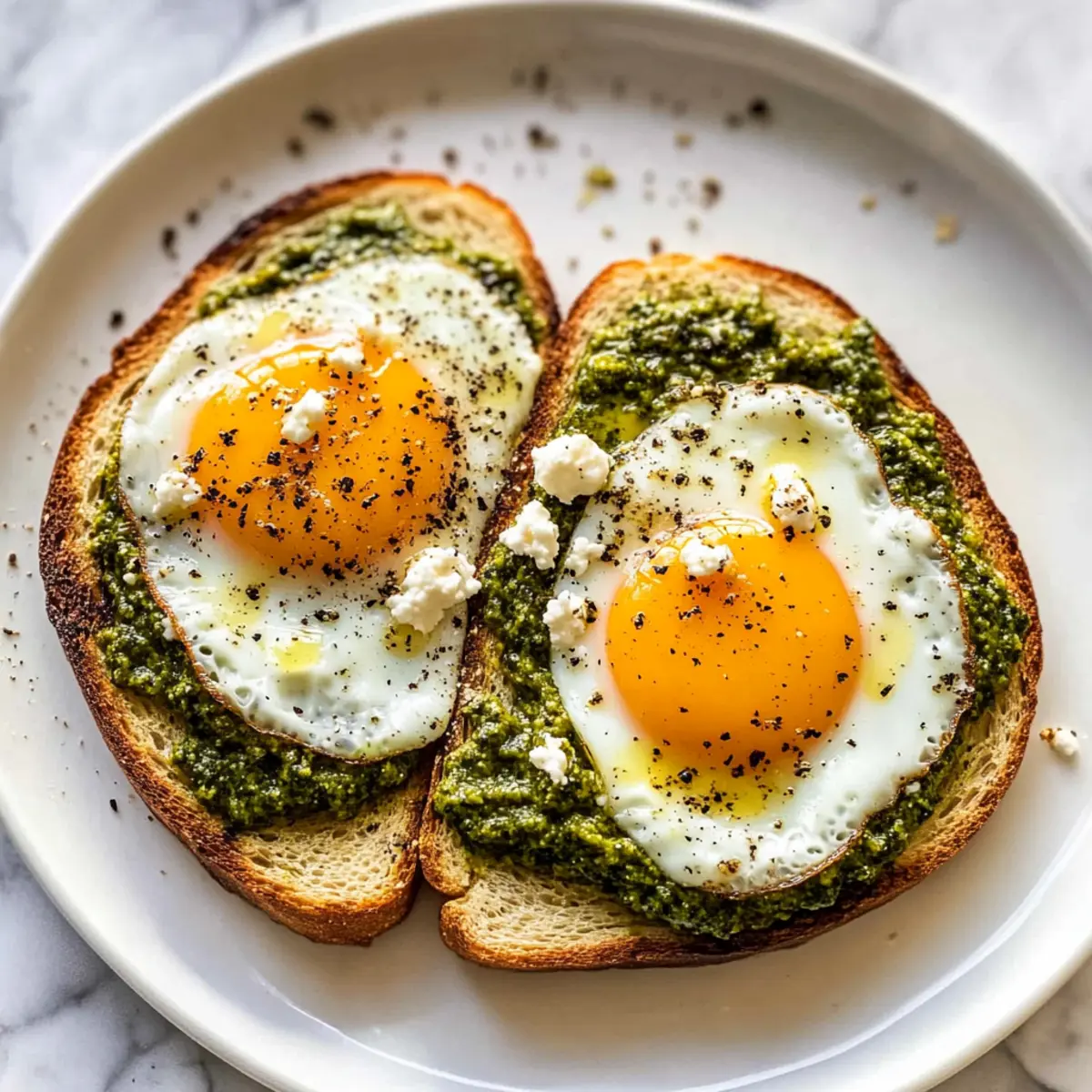
Pesto Eggs Recipe FAQs
What type of pesto should I use for the best flavor?
Absolutely! Using homemade pesto can make a significant difference in flavor. If you’re short on time, store-bought pesto works fine too—just choose a quality brand with fresh ingredients. The freshness of the basil and garlic in the pesto really elevates the overall taste of your Pesto Eggs.
How long can I store cooked pesto eggs in the refrigerator?
Cooked pesto eggs can be stored in an airtight container in the refrigerator for up to 3 days. To maintain their texture, I recommend covering them with a damp paper towel before sealing the container, which helps prevent them from drying out.
Can I freeze pesto eggs?
It’s best to avoid freezing cooked eggs since their texture can change and become rubbery upon thawing. However, you can freeze any leftover pesto for up to 3 months. Simply place it in an airtight container or ice cube trays for easy future use!
What can I do if I overcook my eggs?
If you find yourself in this situation, don’t worry! Overcooked eggs can sometimes become rubbery. To salvage them, try adding a spoonful of fresh pesto before serving to bring back some moisture and flavor. You could even make a quick sauce to drizzle over them; a little olive oil and lemon juice can brighten things up.
Are pesto eggs safe for my pet?
While basil is not toxic to pets, many of the other ingredients, like garlic in most pestos, can pose health risks for dogs and cats. If your furry friend accidentally gets a small taste, it should be fine, but it’s best to keep them away from pesto altogether to be safe.
How can I make pesto eggs dairy-free?
Very simply! Just swap the goat cheese with mashed avocado for a creamy and delicious dairy-free alternative. This will not only maintain the smooth texture but will also add a subtle richness to your Pesto Eggs without the dairy. Enjoy!
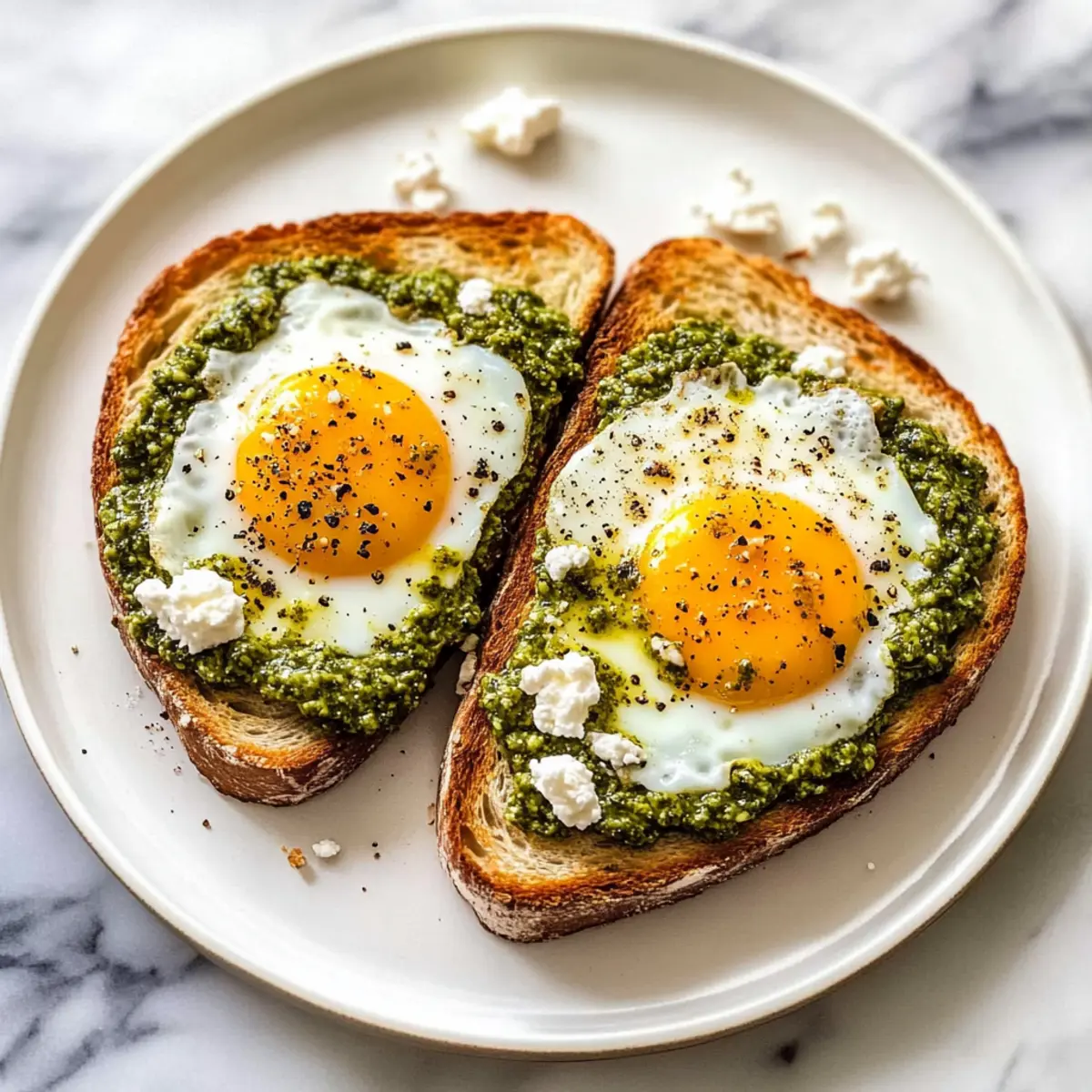
Pesto Eggs: A Savory Breakfast to Brighten Your Mornings
Ingredients
Equipment
Method
- Begin by heating a medium non-stick frying pan over medium heat. Once the pan is warm, add a generous layer of fresh pesto, swirling it to create an even coating on the bottom.
- After the pesto begins to sizzle slightly, gently crack in two large eggs, being careful not to break the yolks. Season the eggs with kosher salt, freshly ground black pepper, and a pinch of red pepper flakes.
- Let the eggs cook undisturbed for 4-5 minutes, or until the whites are fully set and no longer translucent.
- While the Pesto Eggs are finishing up, take this time to toast your sourdough bread until golden brown and crispy. Spread a thick layer of creamy goat cheese over the surface.
- Carefully remove the cooked Pesto Eggs from the pan, gently placing them atop the prepared toast. Serve immediately to savor the delightful blend of textures and flavors.
Leave a Reply