
In the heart of Myanmar’s bustling markets, the aroma of spices fills the air, drawing you in like a culinary siren’s call. That’s where I first encountered the delight of Traditional Burmese Egg Curry, a dish that exudes warmth and flavor, promising comfort in every bite. This recipe showcases deep-fried boiled eggs nestled in a vibrant tomato and onion curry, making it not just a breakfast staple but a versatile meal fit for any time of day. One of the best things about this Burmese Egg Curry is how quickly it comes together — perfect for those busy mornings or spontaneous dinner gatherings. Plus, it can easily adapt to suit gluten-free diets. Curious about how to bring a burst of Myanmar’s rich flavors into your kitchen? Let’s dive into this heartwarming dish together!
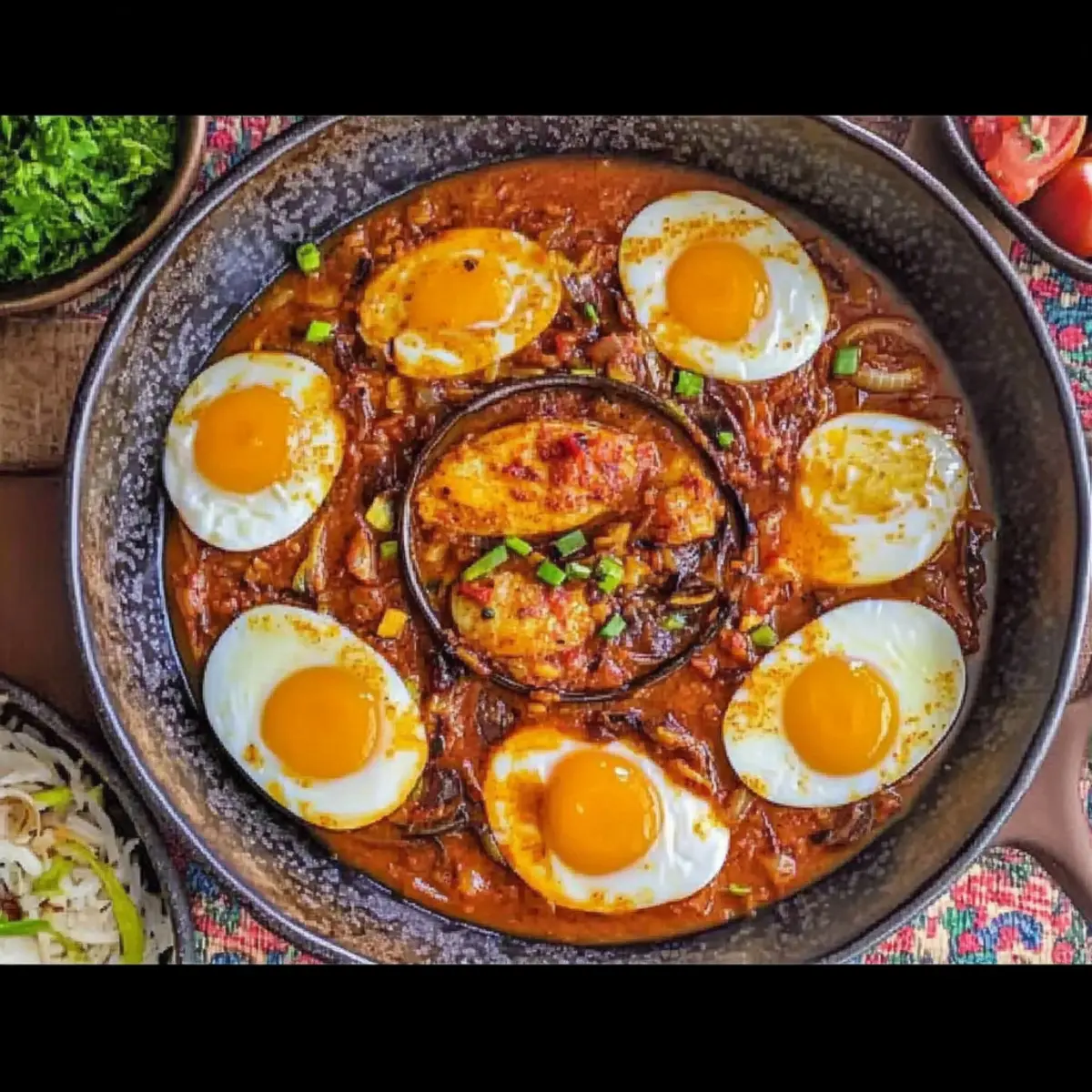
Why is Burmese Egg Curry a Must-Try?
Aromatic Spices: This dish bursts with bold flavors from turmeric, ginger, and fresh tomatoes, offering a unique taste experience that’s hard to resist.
Quick Prep: Ideal for busy days, it comes together in no time, allowing you to savor a homemade dish even on a tight schedule.
Crowd-Pleaser: Perfect for family breakfasts or unexpected guests, this curry appeals to everyone and can be served as a main or side dish.
Versatile Options: From traditional eggs to duck eggs, you can customize it according to your preference. Want something vegetarian? Just swap in some tofu!
Authentic Experience: Cooking this dish transports you to the heart of Myanmar, bringing cultural richness right into your home.
Pair this with some Noodle Soup Egg for a well-rounded meal or serve it alongside some crusty bread for dipping.
Burmese Egg Curry Ingredients
For the Curry
• Large Eggs – The heart of the dish, providing protein; consider using duck eggs for richer flavor.
• Peanut Oil or Raw Sesame Oil – Choose this to enhance the curry’s richness; peanut oil adds a delightful nuttiness.
• Turmeric – This earthy spice not only colors the dish beautifully but enhances its depth.
• Red Shallots – Adds a mild sweetness and gentle spice; use both sliced and whole shallots for varied textures.
• Minced Garlic – Infuses the curry with aromatic richness and flavor.
• Chilli Powder – Adjust to your spice tolerance for the perfect kick and vibrant color.
• Dried Ginger Powder – It brings warmth and can be swapped with fresh ginger if desired.
• Curry Powder – This forms the backbone of the flavor; ensure it’s a Burmese blend for authenticity.
• Roma Tomatoes – Fresh or canned, they add acidity and balance to the dish; canned helps thicken the sauce.
• Fish Sauce – Introduces umami depth; use soy sauce as a substitution for a vegetarian-friendly option.
• Dried Shrimp (Ground) – Adds a layer of umami; can easily be omitted for a vegetarian version.
For Garnish
• Turmeric-Fried Onion Slices – These provide a crispy texture and enhance the visual appeal of your Burmese Egg Curry.
• Ground Dried Shrimp – Sprinkle this for an extra flavor boost if desired.
Enjoy this Burmese Egg Curry as a delightful breakfast or a heartwarming dinner, bringing the vibrant essence of Myanmar to your table!
Step‑by‑Step Instructions for Burmese Egg Curry
Step 1: Boil the Eggs
Begin by bringing a pot of water to a boil over medium-high heat. Once boiling, gently add the large eggs and cook for about 6 minutes for soft, creamy yolks. After the timer goes off, transfer the eggs to an ice bath to cool for about 5 minutes before peeling them under running water to ensure a smooth shell removal.
Step 2: Fry Shallots
In a wok, heat around 3 tablespoons of peanut oil over medium heat. Once the oil is hot, add in the turmeric and sliced shallots, stirring occasionally. Fry them for about 5-7 minutes until soft and golden brown, releasing their sweet aroma, which enhances the flavors of the Traditional Burmese Egg Curry.
Step 3: Deep Fry Eggs
With the shallots ready, lower the peeled eggs into the hot oil, taking care to turn them gently with a slotted spoon. Fry the eggs for approximately 3-4 minutes until they develop a golden, crispy exterior. Once cooked, remove them from the wok and let them drain on paper towels while you prepare the sauce.
Step 4: Cook the Sauce
Using the same wok with residual oil, add the remaining sliced shallots and sauté over medium heat until they turn translucent, about 3 minutes. Incorporate the minced garlic and dried ginger, cooking for an additional minute before stirring in the chilli powder and curry powder, allowing the spices to bloom and develop their flavors.
Step 5: Add Tomatoes
Next, add the Roma tomatoes, both fresh and crushed, stirring thoroughly into the sauce. Cook for about 5-7 minutes until the mixture thickens and the tomatoes are well incorporated, creating a vibrant, aromatic base for your Burmese Egg Curry.
Step 6: Simmer with Eggs
Halve the deep-fried eggs and place them cut side up in the sauce. Gently simmer the curry for about 10 minutes, adding a splash of water if needed to reach your desired consistency. This allows the flavors of the sauce to infuse into the eggs, marrying the two components beautifully.
Step 7: Garnish & Serve
Before serving, top your Burmese Egg Curry with crispy turmeric-fried onion slices and a sprinkle of ground dried shrimp for an extra flavor boost. This dish is best enjoyed with steamed jasmine rice or crusty bread, providing delightful textures that soak up the rich, spicy sauce.
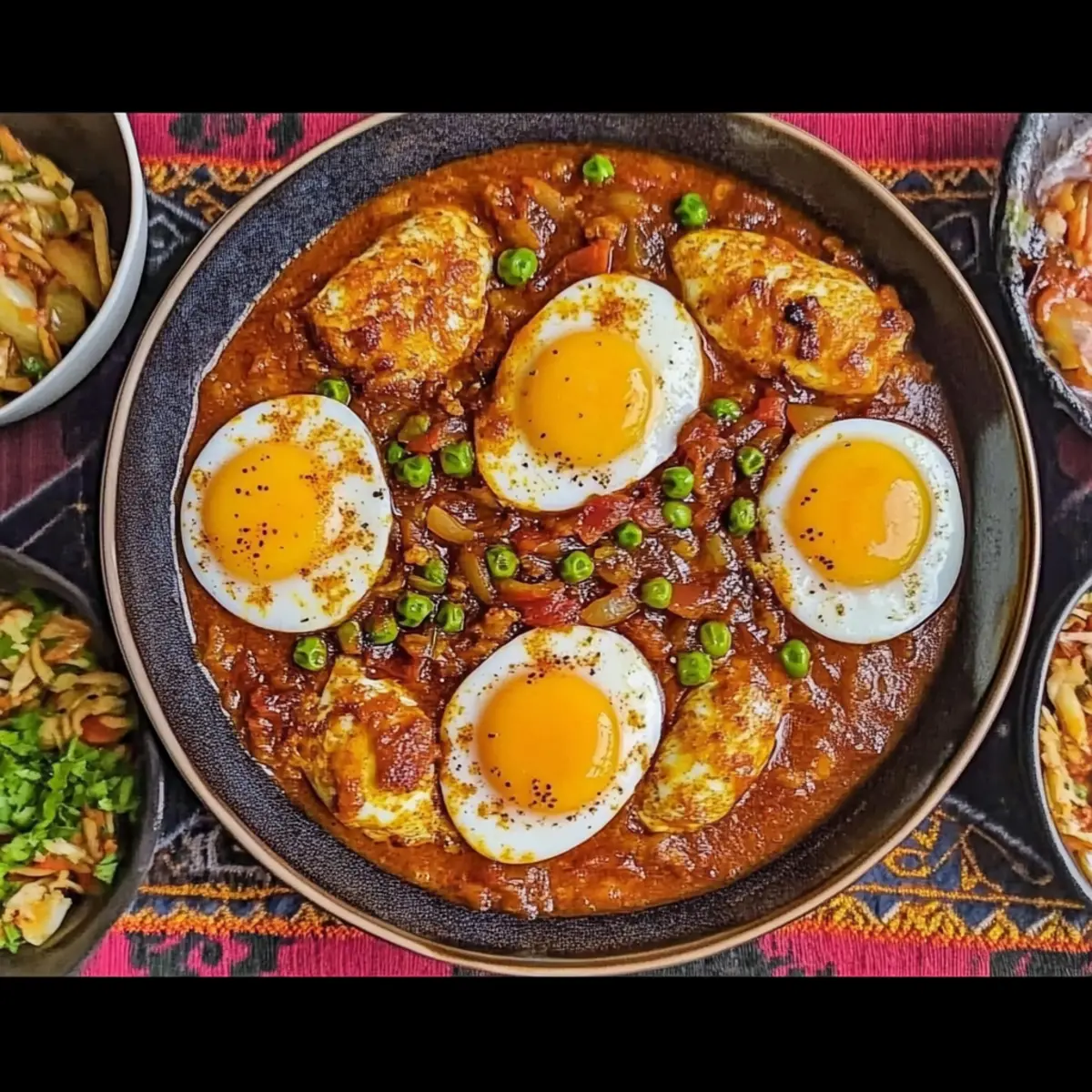
Burmese Egg Curry Variations
Customize your Burmese Egg Curry to suit your taste buds and dietary needs with these delicious ideas!
-
Protein Swap: Try using chicken or duck eggs for different flavors. Duck eggs add richness that enhances the dish. You can also switch to tofu if you prefer a vegetarian option.
-
Vegetable Boost: Incorporate colorful vegetables like bell peppers, spinach, or green beans. This not only adds nutrition but also gives a delightful crunch and brightness to the dish.
-
Spicy Twist: For an extra kick, add fresh chopped chilies or a splash of sriracha to the sauce. Adjust the heat according to your preference to make the curry your own.
-
Herb-Infused: Finish with fresh cilantro or basil for a burst of freshness. These herbs beautifully balance the rich flavors, making every bite more aromatic.
-
Vegan Delight: To make it completely plant-based, swap large eggs with Almond Flour Eggs or another egg substitute. This way, you can enjoy a dairy-free version of this classic.
-
Flavor-Infused Oil: Consider sautéing your shallots in raw sesame oil instead of peanut oil for a nutty flavor that perfectly complements the curry spices. This subtle change can elevate the overall taste.
-
Tomato Variations: Add a spoonful of coconut milk for a creamier texture, and a hint of sweetness. This unique twist gives the curry a tropical flair.
-
Umami Blast: Incorporate fermented flavors like miso or tahini instead of fish sauce for a deep umami effect. These options are fantastic for enhancing the overall richness while keeping the dish plant-based.
By exploring these variations, you can transform the traditional into something uniquely yours that everyone will love. Plus, serve it with a side of Noodle Soup Egg for a complete meal filled with delightful flavors!
Expert Tips for Burmese Egg Curry
-
Egg Boiling Tricks: Boil eggs for exactly 6 minutes for creamy yolks; adjust time for your preferred firmness. An ice bath helps with easy peeling!
-
Oil Temperature: Ensure the oil is hot—but not smoking—when frying eggs; this prevents splattering and helps achieve that perfect golden crust.
-
Spice Adjustments: Start with less chili powder if you’re sensitive to heat; you can always add more for that wonderful kick in your Burmese Egg Curry.
-
Texture Balance: Use both sliced and whole shallots for varied textures; this adds depth to your dish while enhancing flavor profiles.
-
Substitution Ideas: Want to make it vegetarian? Simply swap out eggs for firm tofu or add more vegetables like bell peppers or spinach to the mix!
Storage Tips for Burmese Egg Curry
-
Fridge: Store leftover Burmese Egg Curry in an airtight container for up to 2 days. Remember to let it cool to room temperature before sealing.
-
Freezer: If you want to save it for later, you can freeze the curry for up to 3 months. Divide it into portions in freezer-safe containers, leaving space for expansion.
-
Reheating: When ready to enjoy, thaw overnight in the fridge. Reheat gently on the stovetop over low heat, adding a splash of water to prevent it from drying out.
-
Avoiding Texture Changes: For best results, it’s recommended to freeze the sauce separately from the eggs to maintain optimal texture when reheating your Burmese Egg Curry.
Make Ahead Options
These Traditional Burmese Egg Curry options are perfect for busy home cooks looking to save time! You can prepare the curry sauce up to 2 days in advance by cooking it and storing it in an airtight container in the fridge. The deep-fried eggs can also be made ahead; fry them and refrigerate for up to 24 hours. When you’re ready to enjoy your meal, simply reheat the sauce gently over low heat, add a splash of water if needed to adjust the consistency, and warm the eggs in the sauce for a few minutes. This way, you’ll relish the rich, authentic flavors of Burmese Egg Curry without the last-minute rush!
What to Serve with Traditional Burmese Egg Curry
Experience the vibrant culinary landscape of Myanmar at your dinner table by complementing this dish with delightful pairings.
-
Steamed Jasmine Rice: The fluffy texture of jasmine rice absorbs the spicy curry beautifully, providing a perfect balance of flavors.
-
Crispy Crusty Bread: A warm loaf or baguette offers a satisfying crunch before giving way to the rich sauce, inviting you to soak up every last drop.
-
Fresh Cucumber Salad: The cool, crisp taste of cucumber salad with lime and chili adds refreshing contrast to the spicy egg curry, brightening every bite.
-
Roasted Vegetables: Oven-roasted seasonal vegetables bring earthy sweetness, enhancing the overall flavor profile while introducing different textures to the meal.
-
Chilled Coconut Drink: A sweet coconut drink is refreshing and complements the spice of the curry, making it a delicious way to cleanse your palate.
-
Fruit Chaat: A mix of tart fruits like apples and pomegranates offers a sweet-tangy contrast to the spicy richness of the curry, creating a delightful end note to the meal.
Pair these sides with Traditional Burmese Egg Curry for a harmonious and flavorful dining experience that your family will love!
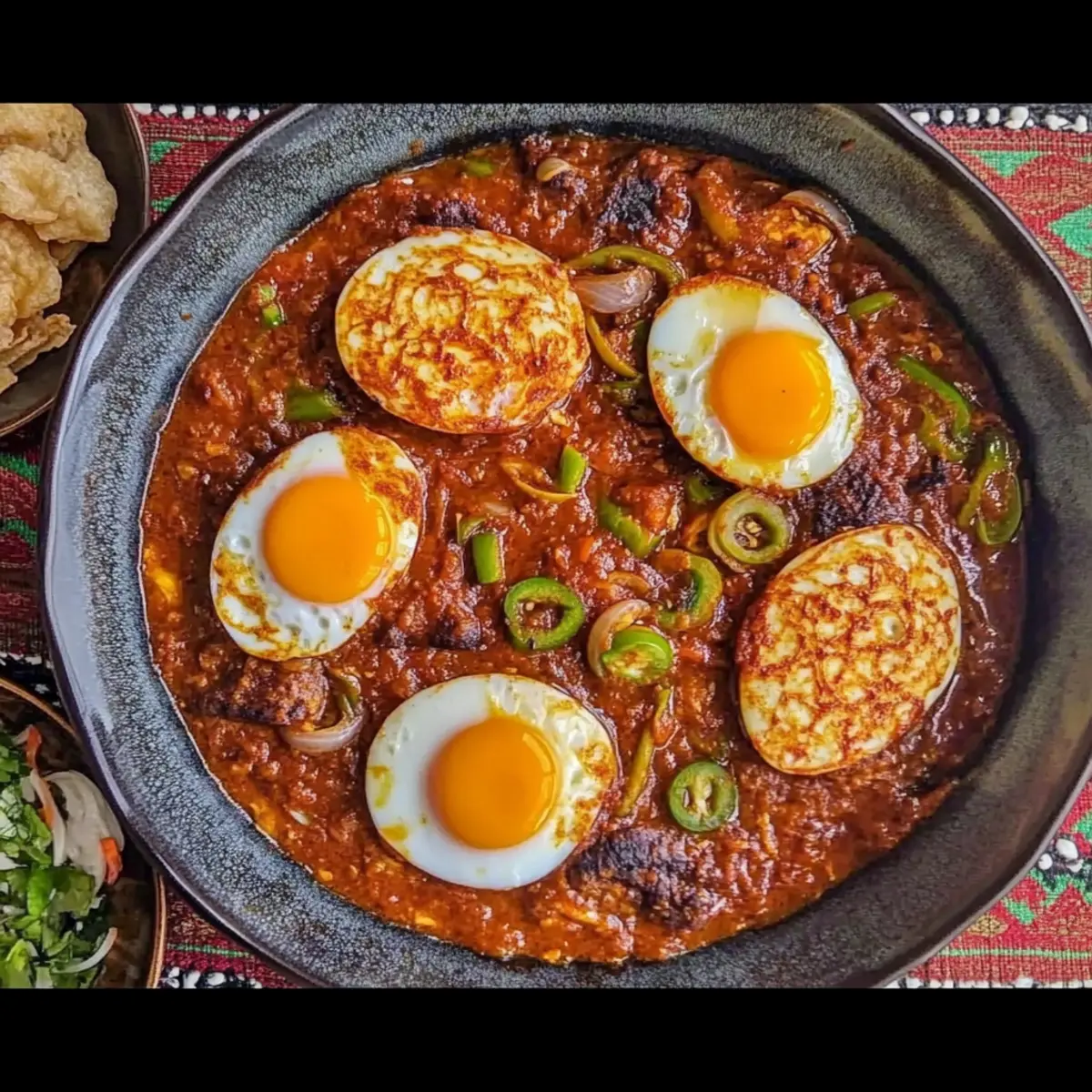
Burmese Egg Curry Recipe FAQs
What type of eggs work best for this recipe?
Absolutely! While large eggs are the standard choice, I often recommend duck eggs for a richer flavor and creamier texture. They bring a lovely depth to the dish that really enhances the overall experience.
How should I store leftover Burmese Egg Curry?
You can store your delicious Burmese Egg Curry in an airtight container in the fridge for up to 2 days. Make sure it’s cooled to room temperature before sealing. If you’d like to store it longer, freezing is a fantastic option!
Can I freeze Burmese Egg Curry? How?
Certainly! To freeze, divide the curry into portions within freezer-safe containers—just be sure to leave some space for expansion. This dish can be frozen for up to 3 months. When it’s time to enjoy, thaw it overnight in the fridge. Gently reheat it over low heat on the stovetop, adding a splash of water to maintain moisture.
What if my curry sauce is too thick?
Very! If you find your curry sauce has thickened up too much, simply add a splash of water or vegetable broth while reheating until you reach your desired consistency. It’s a good practice to simmer it for a moment to blend the flavors back together.
Are there any dietary considerations for this dish?
Certainly! For those with gluten sensitivities, using soy sauce instead of fish sauce makes this dish gluten-free. It’s also perfect for vegetarians if you substitute the eggs with firm tofu and omit the dried shrimp. Just make sure to customize it according to what suits your dietary needs best!
How do I know when my eggs are perfectly boiled?
To achieve creamy, soft yolks, boil your eggs for exactly 6 minutes. Immediately transfer them to an ice bath for about 5 minutes to stop cooking. This method ensures your eggs peel easily and have that lovely custardy center.
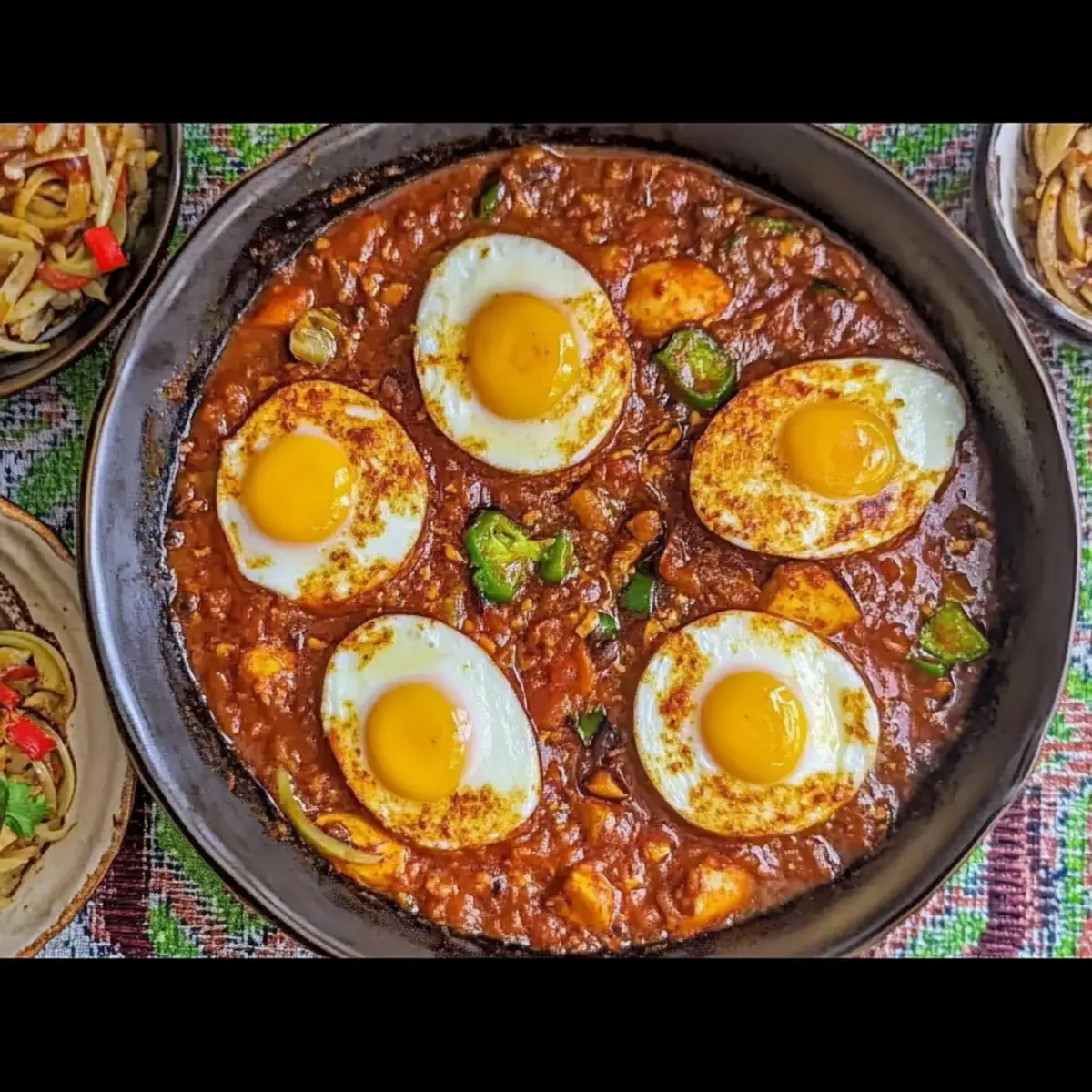
Burmese Egg Curry: A Bold Breakfast to Spice Up Your Day
Ingredients
Equipment
Method
- Begin by bringing a pot of water to a boil over medium-high heat. Once boiling, gently add the large eggs and cook for about 6 minutes. After, transfer them to an ice bath to cool for about 5 minutes before peeling.
- In a wok, heat around 3 tablespoons of peanut oil over medium heat. Add in turmeric and sliced shallots, stirring occasionally for about 5-7 minutes until soft and golden brown.
- Lower the peeled eggs into the hot oil and fry for about 3-4 minutes until golden and crispy. Remove from the wok and let them drain.
- Using the same wok, add remaining sliced shallots and sauté over medium heat until translucent, for about 3 minutes. Incorporate minced garlic and dried ginger, cooking for an additional minute before adding chilli and curry powders.
- Add the Roma tomatoes, stirring thoroughly to cook for about 5-7 minutes until the mixture thickens.
- Halve the deep-fried eggs and place them cut side up in the sauce. Simmer for about 10 minutes, adding water if needed for consistency.
- Top with crispy turmeric-fried onion slices and ground dried shrimp. Serve with steamed jasmine rice or crusty bread.
Leave a Reply