
Tucked away in the heart of the Caribbean, there’s a dish that brings people together, a celebration of vibrant colors and bold flavors—Caribbean Vegetable Curry. As I stirred the creamy coconut milk into a pot filled with crisp vegetables and aromatic spices, the kitchen transformed into a warm haven. This easy-to-make recipe is not just a weeknight dinner; it’s a delightful option for gatherings, effortlessly catering to vegan and gluten-free lifestyles. Each spoonful is a nourishing burst of texture and taste, inviting both seasoned chefs and new cooks to explore the culinary magic of the islands. Are you ready to dive into this tropical adventure and jazz up your dinner table?
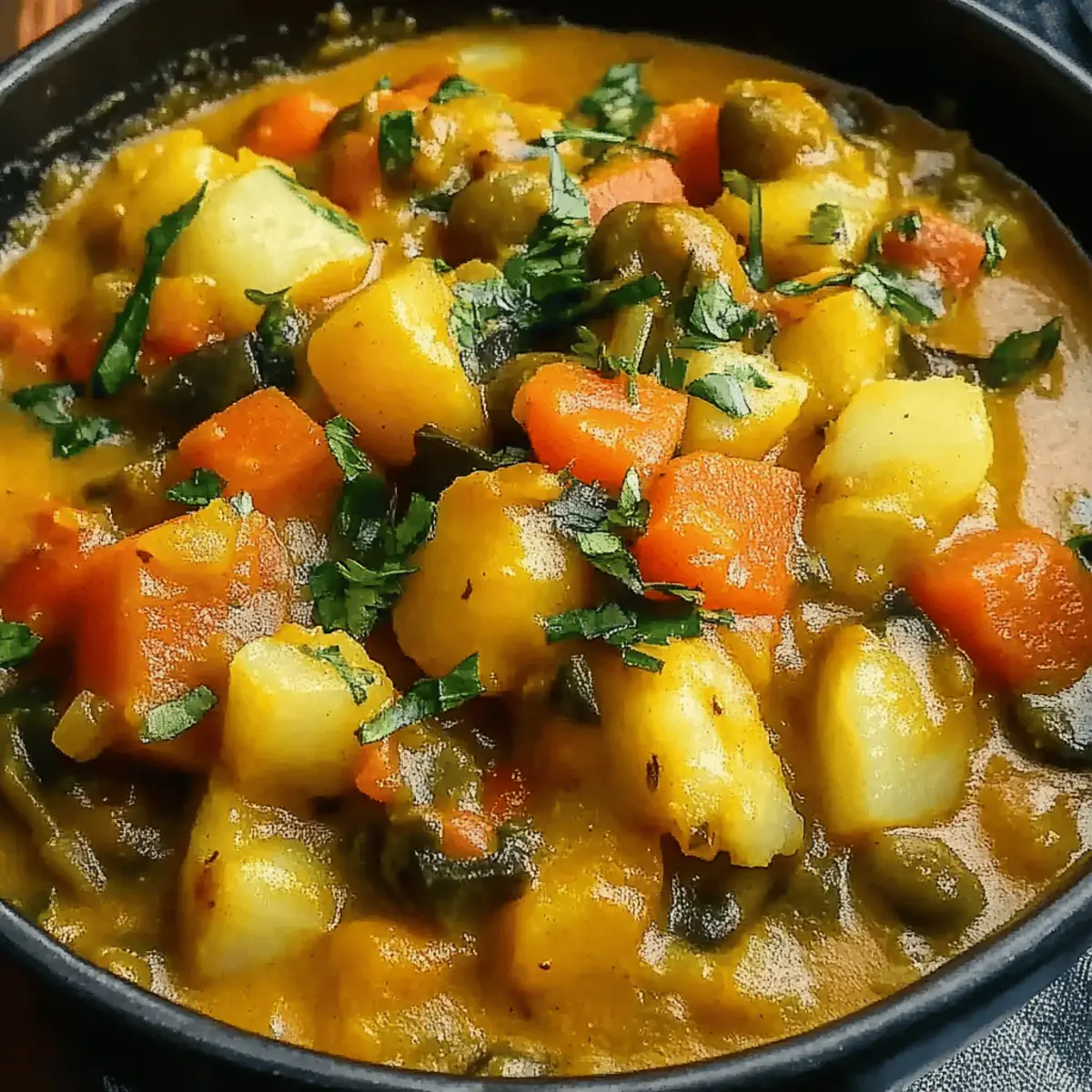
Why is Caribbean Vegetable Curry a must-try?
Vibrant Flavors: This dish captures the essence of the Caribbean with its mix of spices and fresh produce, offering a delicious celebration in every bite.
Nutritious and Satisfying: Packed with colorful vegetables and heart-healthy ingredients, it’s a nourishing choice for any meal.
Effortlessly Easy: Even novice cooks will find this recipe simple, making it perfect for a quick weeknight dinner.
Versatile Meal: Feel free to experiment by adding your favorite proteins or seasonal veggies, tailoring it to your taste.
Crowd-Pleasing: Its rich, creamy texture and bold flavors make it a hit with friends and family alike, ensuring everyone will keep coming back for more!
Caribbean Vegetable Curry Ingredients
Experience the joy of cooking with these simple yet essential ingredients for the perfect Caribbean Vegetable Curry.
For the Base
• Coconut Oil – Provides a rich, aromatic base; substitute with olive oil for a different flavor.
• Onion – Adds sweetness and depth; yellow or red onions work well for this dish.
• Garlic – Enhances the dish with fragrant notes; fresh minced garlic is always best.
• Ginger – Adds warmth and spiciness; opt for fresh ginger for a robust flavor.
For the Veggies
• Red Bell Pepper – Brings sweetness and vibrant color; can substitute with orange or yellow peppers.
• Yellow Bell Pepper – Similar to red, providing color and sweetness; any bell pepper can work.
• Cauliflower Florets – Offers a hearty texture; substitute with broccoli or zucchini if preferred.
• Carrots – Adds natural sweetness and nutrition; you can use other root vegetables as well.
• Green Beans – Contributes crunch and freshness; snap peas or asparagus are great substitutes.
For the Sauce
• Coconut Milk – Creates a creamy, rich sauce; use light coconut milk for a lower-fat option.
• Curry Powder – Provides the essential spice blend; adjust spice levels to suit your preference.
• Allspice – Adds depth and warmth; can be switched with a pinch of mixed spices for variety.
• Smoked Paprika – Contributes a smoky flavor; regular paprika can be used for a milder taste.
• Salt and Black Pepper – Essential for seasoning; adjust to your taste preferences.
• Vegetable Broth – Adds a flavorful base; can use water if you don’t have broth on hand.
For Garnish
• Fresh Cilantro – For a burst of fresh taste; can be omitted or replaced with parsley.
• Lime Wedges – Adds zesty brightness to each serving; perfect for enhancing flavor!
Step‑by‑Step Instructions for Caribbean Vegetable Curry
Step 1: Heat the Coconut Oil
In a large pot, melt 2 tablespoons of coconut oil over medium heat for about 1-2 minutes until shimmering. The oil will be ready when it starts to swirl easily around the pot. This serves as the aromatic base for your Caribbean Vegetable Curry, so let that tropical fragrance fill your kitchen!
Step 2: Sauté Aromatics
Add 1 chopped onion, 3 minced garlic cloves, and a 1-inch piece of minced ginger to the pot. Stir and cook for 3-4 minutes until softened and fragrant; the onions should turn translucent. The aromatic mixture will set a robust flavor foundation for the colorful vegetables to follow.
Step 3: Add Bell Peppers
Stir in 1 chopped red bell pepper and 1 chopped yellow bell pepper. Cook for an additional 2-3 minutes until the peppers soften slightly, becoming tender, and their vibrant colors brighten the pot. This layering of flavors brings a delightful sweetness that complements the aromatics.
Step 4: Incorporate Carrots and Cauliflower
Add 2 chopped carrots and 2 cups of cauliflower florets into the mix. Stir well to combine the vegetables thoroughly with the aromatic base. Cook for another 2-3 minutes, allowing the carrots to soften, which adds additional sweetness and nutrition to your Caribbean Vegetable Curry.
Step 5: Season with Spices
Sprinkle in 2 tablespoons of curry powder, 1 teaspoon of allspice, and 1 teaspoon of smoked paprika. Mix everything thoroughly to ensure the spices coat the vegetables well. The rich colors and warm aromas will envelop your kitchen, making it feel like a tropical paradise.
Step 6: Add Coconut Milk
Pour in 1 can (about 13.5 ounces) of coconut milk, stirring it into the spiced vegetable mixture. Let it simmer for 1-2 minutes until fully combined; the milk brings a creamy texture that balances the spices, creating a rich sauce for your Caribbean Vegetable Curry.
Step 7: Add Vegetable Broth
Stir in 1-2 cups of vegetable broth, depending on your desired consistency. Mix well to create a flavorful base. Bring the mixture to a gentle simmer, allowing it to bubble softly for a few moments as the aromas deepen and mingle together harmoniously.
Step 8: Cook the Vegetables
Cover the pot and let the vegetables simmer on low heat for 15-20 minutes. Check occasionally and stir gently, allowing the flavors to meld while the vegetables become tender and the sauce thickens. You’ll know it’s ready when the veggies are soft but still vibrant in color.
Step 9: Include Green Beans
Add 1 cup of trimmed green beans in the last 5 minutes of cooking, letting them steam slightly. This keeps their crunch intact, providing a fresh contrast to the tender vegetables in your Caribbean Vegetable Curry. Stir them in to ensure they’re evenly distributed.
Step 10: Season to Taste
Remove the pot from the heat and taste the coconut curry. Adjust seasoning with salt and black pepper according to your preference. The balance of flavors should be vibrant, and the seasoning will elevate the dish to new heights.
Step 11: Garnish and Serve
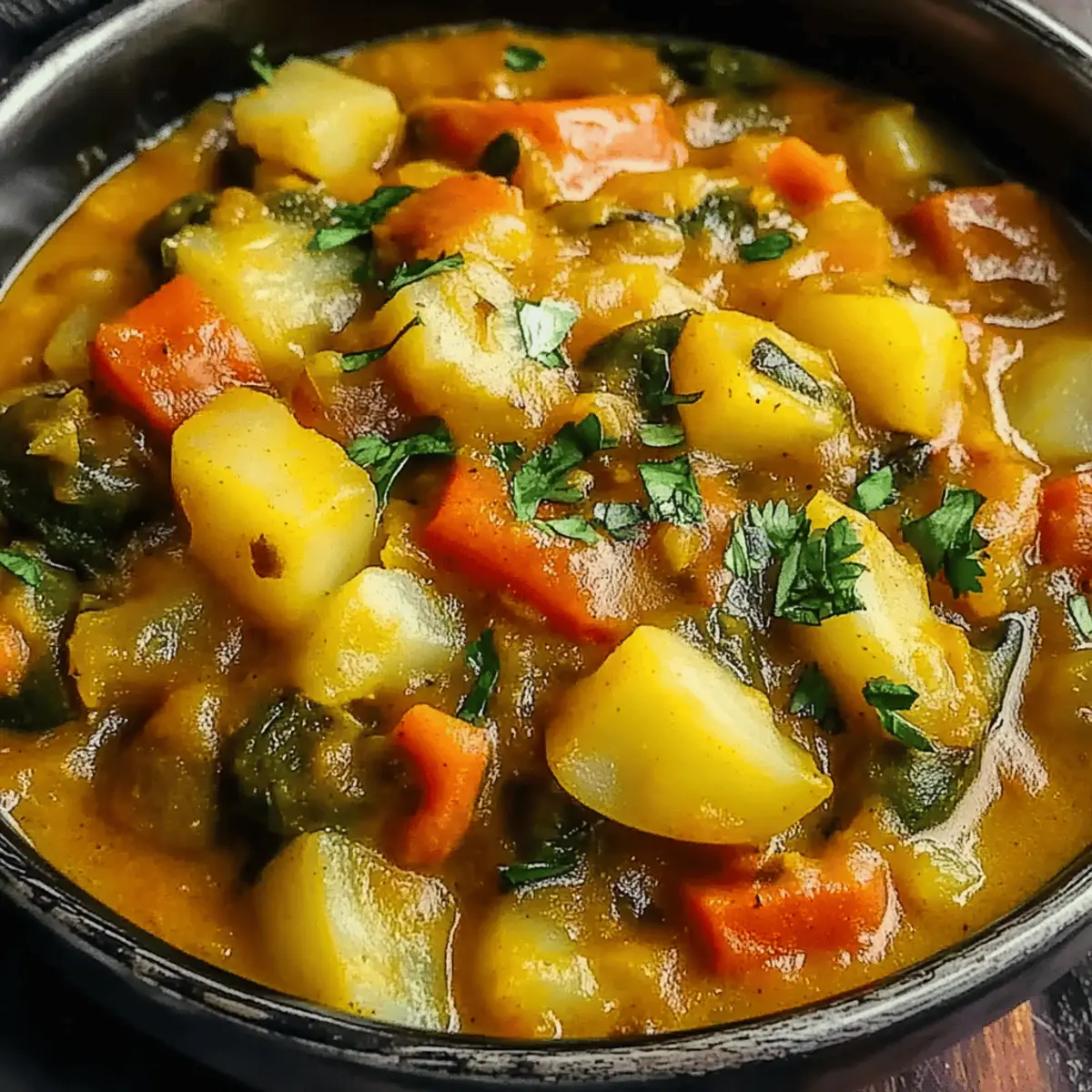
Spoon the Caribbean Vegetable Curry into bowls and top with freshly chopped cilantro. Serve with lime wedges for an extra zesty kick. The bright colors and aromatic spices will invite everyone to gather around the table and enjoy this nutritious, hearty dish together.
Make Ahead Options
These Caribbean Vegetable Curry is perfect for meal prep enthusiasts looking to save time during busy weeknights! You can chop and store the vegetables (onion, bell peppers, carrots, and cauliflower) in an airtight container in the refrigerator up to 3 days in advance to maintain their freshness and prevent browning. Additionally, you can prepare the spice mixture and coconut milk blend, storing them together, ensuring you can easily throw everything into the pot on the day of serving. When ready to cook, simply heat the oil, sauté the aromatics, and add your prepped ingredients for a delightful dish that’s just as delicious and vibrant as when made fresh!
How to Store and Freeze Caribbean Vegetable Curry
Fridge: Keep your Caribbean Vegetable Curry in an airtight container for up to 5 days. Reheating is best done on the stovetop or in the microwave until heated through.
Freezer: To freeze, store in a freezer-safe container for up to 3 months. For best results, let it cool completely before sealing. Reheat on the stovetop or microwave when ready to enjoy.
Reheating: When reheating from frozen, allow it to defrost overnight in the fridge for even warming, then heat gently on low, stirring occasionally, until fully heated.
Serving Freshness: For the best taste and texture, enjoy your Caribbean Vegetable Curry fresh, but rest assured that quality storage can keep it just as delicious for later meals!
Expert Tips for Caribbean Vegetable Curry
- Fresh Ingredients Matter: Using fresh, vibrant vegetables elevates the flavor and nutrition of your Caribbean Vegetable Curry. Avoid wilting veggies for the best taste!
- Spice Control: Adjust the heat by varying the amount of curry powder or adding fresh chilies. A little goes a long way, so test as you go!
- Coconut Milk Options: For a lighter dish, choose light coconut milk instead of full-fat. It still provides creaminess without the extra calories!
- Be Adventurous with Veggies: Don’t hesitate to substitute or add your favorite seasonal vegetables. Experimentation will create new, delightful versions of the curry.
- Meal Prep Friendly: This Caribbean Vegetable Curry stores well—keep it in an airtight container in the fridge for up to 5 days for an easy meal reheat!
What to Serve with Caribbean Vegetable Curry
Nothing makes me feel cozier than a vibrant bowl of Caribbean Vegetable Curry, paired perfectly with some delicious accompaniments.
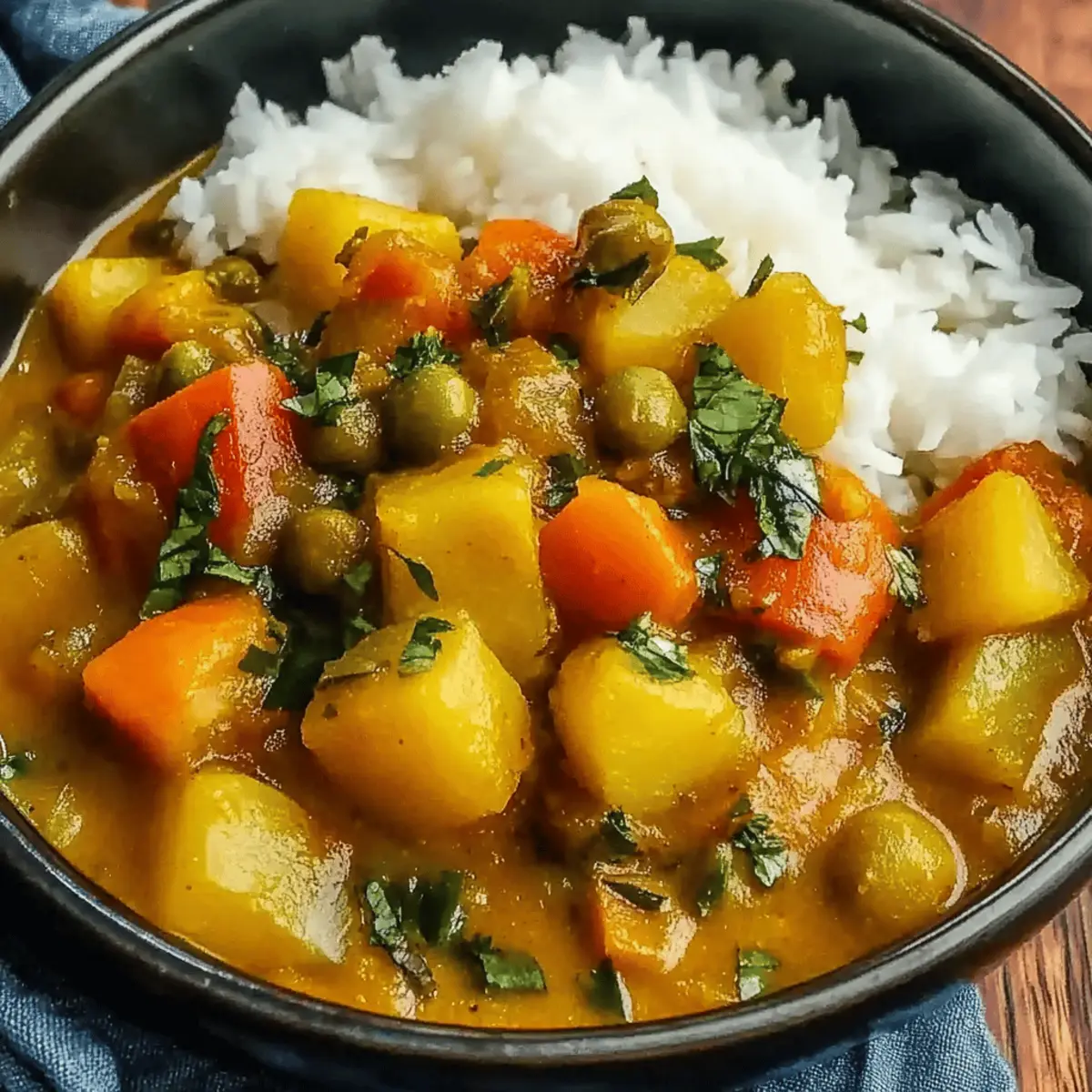
- Fluffy Jasmine Rice: A fragrant base that soaks up the rich coconut curry, providing a delightful contrast in texture and flavor.
- Warm Naan Bread: Perfect for scooping up every morsel of curry, it adds a lovely chewy texture to balance the creaminess.
- Fresh Mango Salad: A zesty and fruity salad with lime and cilantro elevates the dish, adding a refreshing crunch and sweetness.
- Sautéed Greens: Spinach or kale sautéed with garlic brings in a nutty flavor, complementing the spices in the curry beautifully.
- Chickpea Fritters: Crispy and protein-packed, these fritters add a satisfying crunch and earthiness that pairs well with the curry’s creaminess.
- Coconut Water: This light and refreshing drink ties in with the tropical theme, quenching thirst while enhancing the dish’s flavors.
- Avocado Slices: Creamy avocado adds richness and healthy fats, balancing the spiciness of the curry for kids and adults alike.
- Tropical Fruit Sorbet: A light dessert, such as a refreshing mango or pineapple sorbet, concludes the meal beautifully, cleansing the palate after a flavorful feast.
Caribbean Vegetable Curry Variations
Feel free to get creative with your Caribbean Vegetable Curry and tailor it to your taste buds!
-
Add Proteins: Chickpeas or tofu enhance texture and nutrition. They’ll soak up the delicious broth, making each bite even heartier.
-
Fragrant Rice Serve: Pair with coconut or turmeric rice for added flavor. The fragrant rice complements the rich curry beautifully, creating a perfect harmony on your plate.
-
Nutty Twist: Substitute cashew cream for coconut milk for different creaminess. This slims down calories while offering a delightful nutty flavor that dances on the palate.
-
Sweet Additions: Incorporate pineapple or mango for sweet bursts. The fruity notes brighten the dish, balancing the spices perfectly with a tropical sweetness.
-
Southern Influence: Add black-eyed peas for a unique Southern twist. This variation adds a different texture and flavor, while paying homage to the comfort of hearty meals.
-
Spicy Kick: Toss in chopped fresh chilies to amp up the heat. This addition will excite those who love a bit more spice in their curry.
-
Herb Infusion: Experiment with different herbs like basil or mint for a fresh twist. These aromatic elements will elevate the flavor profile, making for a vibrant dish.
-
Root Vegetable Swap: Try sweet potatoes or butternut squash instead of carrots. These options bring a sweet and earthy flavor, enriching the overall dish’s complexity.
For even more delicious ideas, consider pairing this curry with some homemade coconut rice or explore the world of vegan comfort foods to discover new favorites!
Caribbean Vegetable Curry Recipe FAQs
What type of fresh vegetables should I use for the best flavor?
Absolutely! The more vibrant and fresh your vegetables, the better the flavor. Look for crisp bell peppers, firm cauliflower, and bright green beans. If you notice any dark spots or wilting, it’s best to choose another vegetable for this hearty Caribbean Vegetable Curry.
How long can I store Caribbean Vegetable Curry in the refrigerator?
You can store your Caribbean Vegetable Curry in an airtight container in the fridge for up to 5 days. Just remember to reheat it thoroughly on the stove or in the microwave to keep that delicious creamy texture alive!
Can I freeze Caribbean Vegetable Curry, and how should I do it?
Yes! To freeze your Caribbean Vegetable Curry, allow it to cool completely before transferring it to a freezer-safe container. It can be stored for up to 3 months. When you’re ready to enjoy it, simply defrost overnight in the fridge and reheat gently on the stovetop or in the microwave.
What can I do if my curry is too thick?
If you find your Caribbean Vegetable Curry is thicker than you’d like, simply stir in a bit of vegetable broth or coconut milk until you reach your desired consistency. Start with a little at a time, mixing well, and soon you’ll have the perfect creamy texture!
Are there any dietary considerations for this recipe?
Yes! This Caribbean Vegetable Curry is naturally vegan and gluten-free, making it a nourishing option for many dietary preferences. If serving to pets or those with allergies, be cautious with any added spices and always check for individual intolerances before sharing.
How can I adjust the spice level in my Caribbean Vegetable Curry?
Very! To control the spice level, start with less curry powder and taste as you go. You can always add more during cooking if you desire bolder flavors. Alternatively, consider adding a pinch of fresh chilies for a heat kick or regular paprika if you prefer it milder!
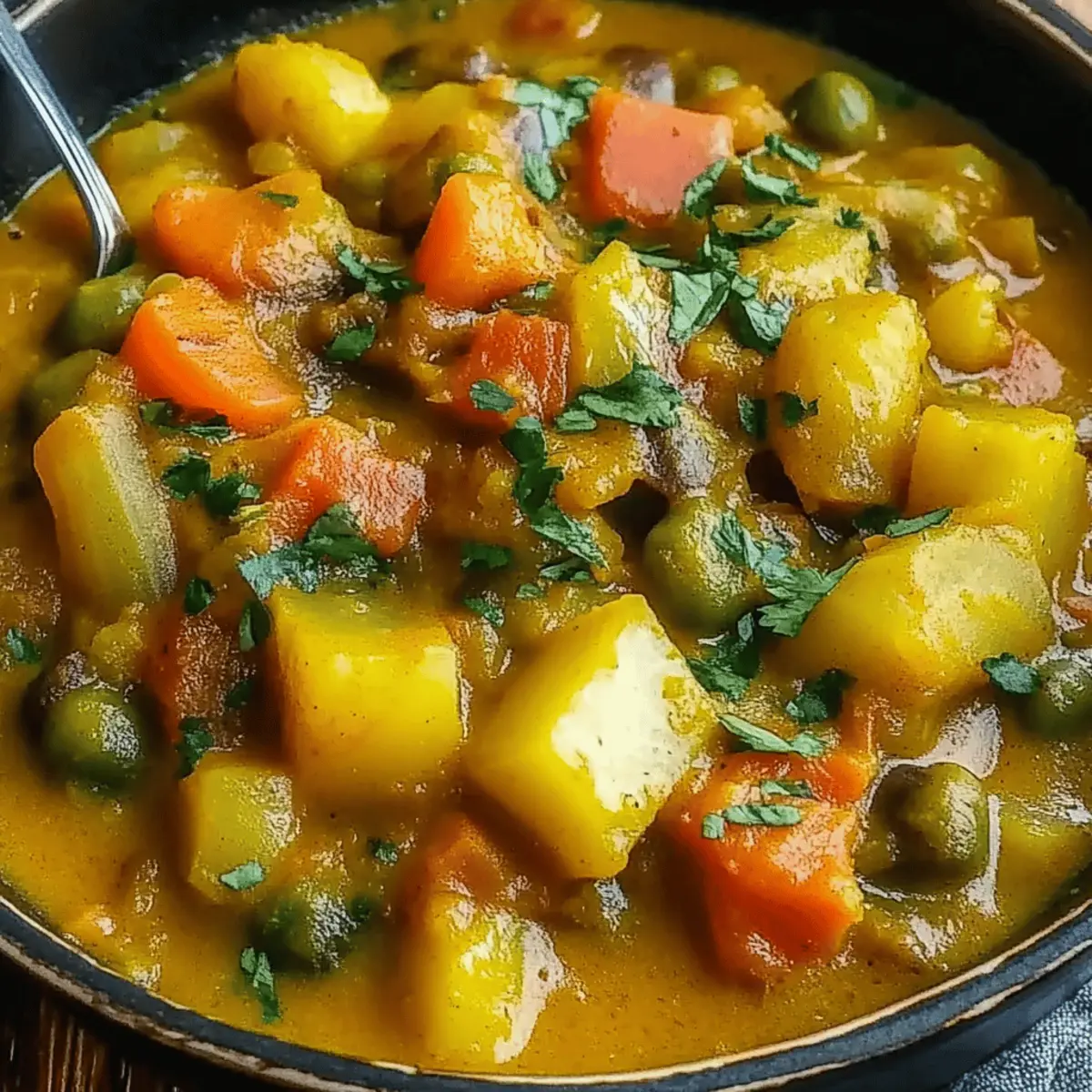
Caribbean Vegetable Curry: A Vibrant Vegan Family Favorite
Ingredients
Equipment
Method
- Heat the Coconut Oil: In a large pot, melt 2 tablespoons of coconut oil over medium heat for about 1-2 minutes until shimmering.
- Sauté Aromatics: Add 1 chopped onion, 3 minced garlic cloves, and a 1-inch piece of minced ginger to the pot. Cook for 3-4 minutes until softened.
- Add Bell Peppers: Stir in 1 chopped red bell pepper and 1 chopped yellow bell pepper. Cook for 2-3 minutes until the peppers soften.
- Incorporate Carrots and Cauliflower: Add 2 chopped carrots and 2 cups of cauliflower florets. Cook for another 2-3 minutes.
- Season with Spices: Sprinkle in 2 tablespoons of curry powder, 1 teaspoon of allspice, and 1 teaspoon of smoked paprika. Mix thoroughly.
- Add Coconut Milk: Pour in 1 can of coconut milk, stirring it into the vegetable mixture. Let it simmer for 1-2 minutes.
- Add Vegetable Broth: Stir in 1-2 cups of vegetable broth, mixing well to create a flavorful base.
- Cook the Vegetables: Cover the pot and let the vegetables simmer on low heat for 15-20 minutes.
- Include Green Beans: Add 1 cup of trimmed green beans in the last 5 minutes of cooking.
- Season to Taste: Remove from heat and taste the curry. Adjust seasoning with salt and black pepper.
- Garnish and Serve: Spoon the curry into bowls and top with freshly chopped cilantro and lime wedges.
Leave a Reply